
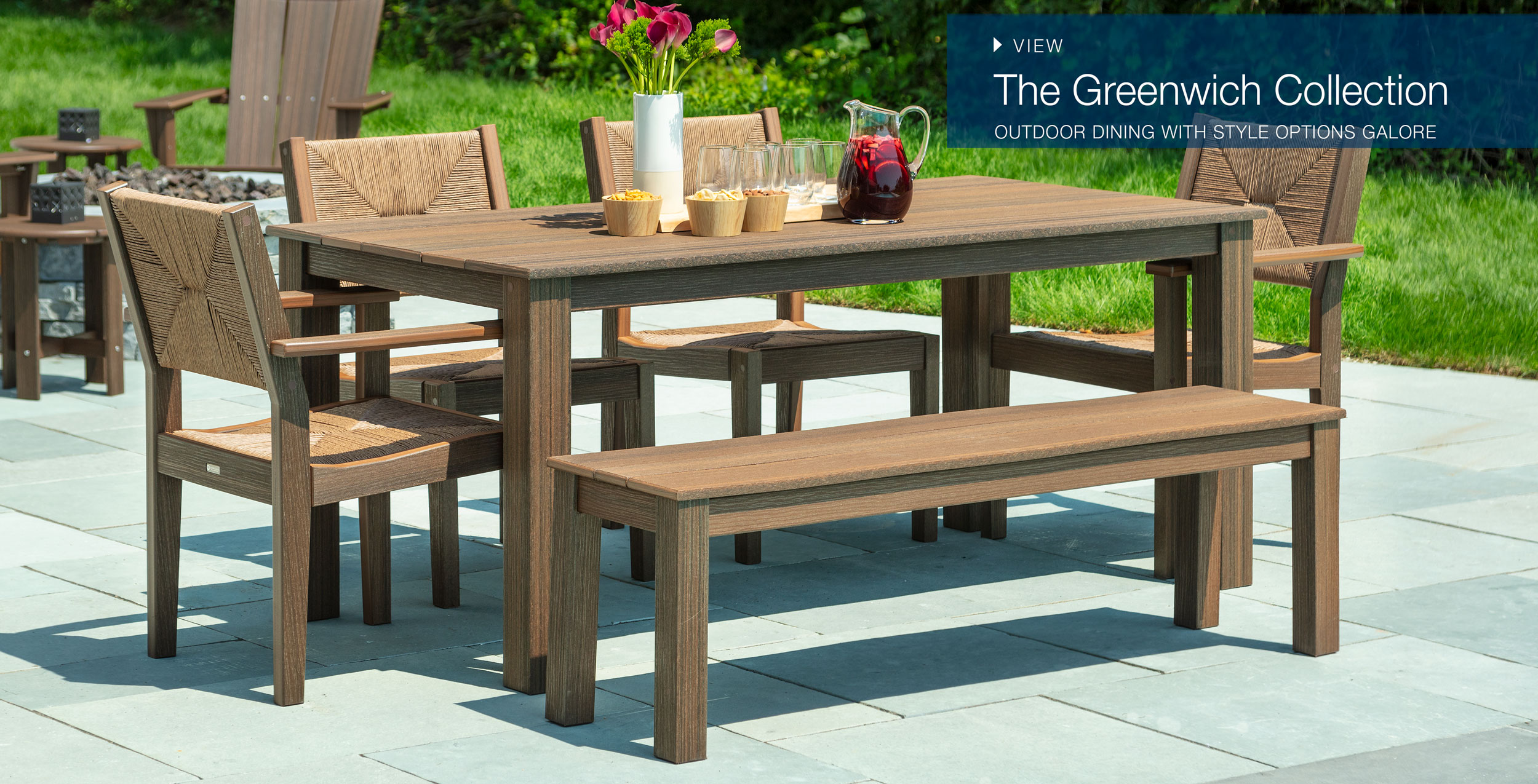
Today’s wooden outdoor furniture market offers an extraordinary range of options, from traditional Adirondack chairs that have graced American porches for over a century to contemporary minimalist designs that complement modern architectural styles. The enduring popularity of wooden outdoor furniture speaks to its remarkable ability to evolve with changing tastes while maintaining its fundamental appeal. Unlike trendy materials that may fall out of favor, wood possesses a timeless quality that allows it to remain relevant across generations and design movements. A well-crafted wooden bench or dining set can seamlessly integrate into virtually any outdoor setting, whether it’s a small urban balcony or a sprawling country garden.
Mildew and mold resistance represent another major advantage. Unlike natural fibers that retain moisture and promote mildew growth, Sunbrella’s acrylic composition is inherently resistant to these issues. This allows the fabric to withstand rainy conditions and humid environments without developing unsightly and potentially damaging mold spots.
Exploring the various applications of Woodline umbrellas reveals their versatility. They are not only suitable for personal use but are also frequently employed in commercial settings. Businesses often utilize them for promotional purposes, showcasing logos and branding on the umbrella fabric. This dual functionality highlights the potential for Woodline umbrellas to serve both practical and marketing needs, making them a valuable asset for companies looking to enhance their visibility.
Offset umbrellas have emerged as a remarkable solution for outdoor shade, combining durability with aesthetic appeal. These umbrellas are constructed with an offset design, a style known for its strength and versatility. Unlike traditional umbrellas, offset umbrellas offer a sturdy yet elegant option, making it easier to maneuver and set up in various outdoor settings. This unique design is prized for its ability to provide ample shade without the obstruction of a central pole, ensuring that it remains a popular choice for outdoor furnishings.
End-of-life considerations should factor into purchasing decisions. Most offset umbrella components can be separated for appropriate recycling: metal frames and mechanisms can be recycled with other metals, while fabric canopies might be repurposed or, increasingly, returned to manufacturers through take-back programs. Some innovative companies now design for disassembly, making end-of-life recycling Seaside Casual Furniture USA more practical.
These fiberglass rods undergo a curing process where the resin hardens, creating the final strong yet flexible material. The rods are then cut to specific lengths based on the umbrella design. For umbrella ribs, the rods might be shaped with slight curves to create the dome shape when opened.
Customization options transform standard umbrellas into community assets. Some HOA umbrellas feature community logos or names, though most focus on color coordination with other exterior elements rather than explicit branding. Advanced options include custom fabric colors matched to architectural standards, specialized edge treatments, and integrated lighting systems. The level of customization typically scales with the community’s price point and overall amenity investment.

